
Thematic Areas

Engineering Pedagogy
Engineering pedagogy refers to the specialized teaching methods and practices designed to effectively educate future engineers. It blends principles from education, psychology, and engineering to create instructional strategies that foster the development of essential engineering skills and knowledge.
A core element of engineering pedagogy is active learning, where students engage in problem-based learning (PBL), project-based learning, and collaborative activities. These methods encourage critical thinking, problem-solving, and teamwork, which are crucial for real-world engineering challenges.
Design, Implementation, and Testing of Active Learning Methods
The approach starts with the design stage, in which teachers develop active learning strategies based on their unique learning objectives. This entails determining the main learning objectives, comprehending the requirements of the students, and choosing effective tactics that encourage participation and communication.
During the implementation phase, the active learning strategies are developed and then implemented in the classroom. Teachers lead conversations, lead activities, and provide hands-on, cooperative assistance for students as they interact with the content. Establishing a setting where students are active participants in their education rather than only passive information consumers is the aim.
The final phase is testing, where the effectiveness of the active learning methods is evaluated. This can be done through various assessments, such as exams, quizzes, or student feedback, to gauge how well students are grasping the material and how engaged they are in the learning process.


Curriculum Assessment and Development
It describes the continuous process of assessing and enhancing educational initiatives to satisfy contemporary standards and demands. It starts with gathering information on student performance, feedback, and alignment with industry expectations in order to evaluate the efficacy of the current curriculum.
This review finds any content gaps or out-of-date information that needs to be updated.
The curriculum is revised if problem areas are determined. This may involve adding technology, introducing new teaching strategies, and revising the course material. To guarantee relevance, educators and industry leaders collaborate during this development process.
Engineering Education Stakeholder Behaviours and Characteristics
Engineering Education Stakeholder Behaviours and Characteristics focus on the roles and actions of key groups involved in engineering education, including students, educators, institutions, industry partners, and government agencies. Students engage in hands-on learning and problem-solving, while educators provide expertise and mentorship. Academic institutions create supportive environments and curricula, and industry partners offer real-world insights and opportunities. Government bodies and professional organizations set standards and policies to ensure programs meet current and future needs. Understanding these stakeholders’ behaviors and characteristics is crucial for developing effective and relevant engineering education programs.


Outcome-based Education
Outcome Based Education guarantees that engineering graduates are not just knowledgable, but also capable of applying their talents successfully in real-world settings. This strategy encourages continuous development by periodically assessing and updating programs depending on how effectively students meet the set outcomes. OBE is increasingly being used in educational institutions throughout the world because of its potential to create graduates who are well-prepared to face professional and societal issues.
AI-aided Education and EdTech
AI-aided education and EdTech are revolutionizing how we learn and teach. By incorporating artificial intelligence into educational tools, these technologies enable individualized learning experiences, adjust to particular student needs, and provide real-time feedback.
AI is used in EdTech platforms to develop interactive material, automate administrative operations, and evaluate student data in order to improve learning results. From intelligent tutoring systems to adaptive learning platforms, AI is making education more accessible, interesting, and successful for both students and teachers. This creative strategy is altering traditional education, making it more adaptable and responsive to the needs of the modern world.


Diversity and Inclusion in Engineering Education
Diversity and inclusiveness in engineering education are critical for driving innovation and developing solutions to global concerns. Engineering programs that embrace varied ideas and experiences may provide a richer learning environment in which all students feel appreciated and encouraged. Inclusion guarantees that underrepresented groups have equal opportunity for success, resulting in a more egalitarian and vibrant workplace. Efforts to promote diversity and inclusion include producing culturally sensitive curriculum, offering mentorship and support networks, and enacting regulations that eliminate barriers to participation. These programs not only improve educational achievements, but also prepare children for success in a varied, globalized society.
Staff Development
Staff development has various benefits for firms, including improved employee performance and overall corporate success. Companies that invest in training and professional development can improve employee abilities, resulting in higher productivity, creativity, and work satisfaction.
This not only helps to retain top people, but also guarantees that the workforce is ready to meet changing industry expectations. Staff development also promotes a culture of continual learning, allowing employees to take on new tasks and contribute to the organization’s long-term goals. Finally, it increases competitiveness and establishes the organization as a leader in its sector.


Engineering Education Policies
Engineering Education Policies are rules and regulations developed by governments, educational institutions, and professional organizations to define engineering education standards and practices. These policies guarantee that engineering programs satisfy national and international accrediting criteria, encourage innovation, and cater to the demands of the modern workforce. They prioritize curriculum development, research funding, industry partnership, and the incorporation of emerging technology. These policies seek to develop well-rounded engineers who possess the technical capabilities, ethical values, and critical thinking abilities required to address global issues by defining explicit targets and benchmarks.
Virtualization of Laboratories
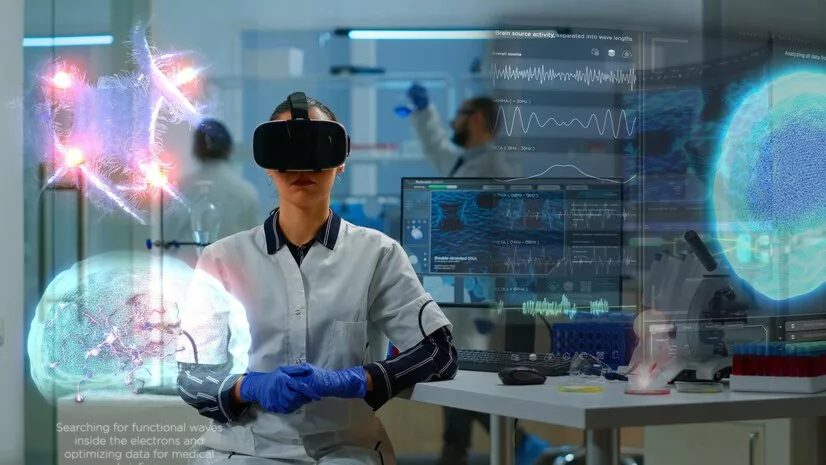
This is the creation of digital or online replicas of real lab facilities that enable students to conduct simulations and experiments from a distance. With the use of this technology, lab resources are accessible from any location, offering a flexible and affordable substitute for conventional labs. Virtual laboratories provide engaging, hands-on learning opportunities without requiring actual equipment by simulating real-world investigations. They enable universities accommodate more students with less resources and improve accessibility, particularly for remote learning, all the while providing a top-notch educational experience.

Other Areas of Research Interest
Diversity and inclusiveness in engineering education are critical for driving innovation and developing solutions to global concerns. Engineering programs that embrace varied ideas and experiences may provide a richer learning environment in which all students feel appreciated and encouraged. Inclusion guarantees that underrepresented groups have equal opportunity for success, resulting in a more egalitarian and vibrant workplace. Efforts to promote diversity and inclusion include producing culturally sensitive curriculum, offering mentorship and support networks, and enacting regulations that eliminate barriers to participation. These programs not only improve educational achievements, but also prepare children for success in a varied, globalized society.
